
Is My Drinking a Problem? Signs Alcohol Has Become a Way to Cope
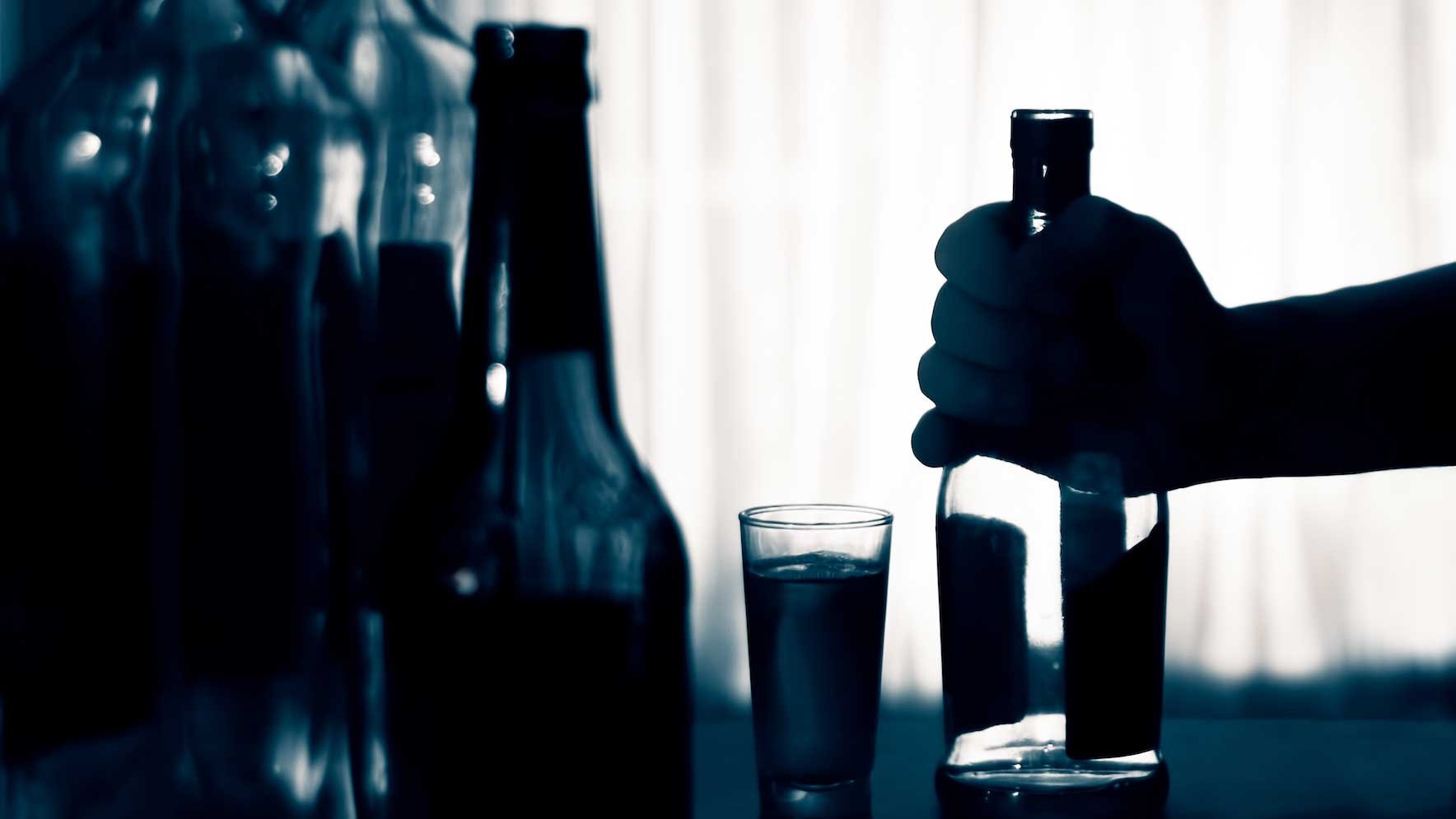
How Do You Know If Your Drinking Is a Problem?
Drinking may be a problem when it becomes your main way of managing stress or difficult emotions. Other signs are regularly drinking more than you intended, or drinking causing trouble at home, at work, or in your relationships while you continue anyway.
The number of drinks matters less than the role alcohol plays. Two glasses of wine can be a pleasure, or they can be the only thing that makes an evening feel manageable. If you have started asking the question, individual therapy in Brooklyn offers a judgment-free place to look at it honestly.
Signs Alcohol Has Become a Way to Cope
Drinking to cope rarely announces itself. It tends to settle in quietly, one hard day at a time. A few signs suggest alcohol has taken on a larger role:
A drink after a hard day has shifted from occasional to automatic.
It feels difficult to relax, sleep, or socialize without it.
You minimize, hide, or carefully track how much others see you drink.
You feel irritable or restless when you cannot drink.
Someone close to you has mentioned it, even gently.
For many people, alcohol becomes the release valve for pressure they carry everywhere else. If that sounds familiar, the pattern described in the hidden burnout of holding it all together may feel close to home.
What Health Experts Look For
Clinicians do not rely on a single number to identify a drinking problem. They look at patterns. The National Institute on Alcohol Abuse and Alcoholism's Rethinking Drinking resource outlines symptoms based on the diagnostic criteria professionals use. It notes that even a couple of symptoms can signal a problem, and that drinking to relieve low, anxious, or uneasy feelings is one of those signs.
A health care professional considers the number, pattern, and severity of symptoms together. That context matters. A symptom is not a label. It is information, and information gives you options.

Why Drinking to Cope Stops Working
Alcohol does offer relief, which is part of why it works so well as a coping tool at first. But the relief is short-lived. As it fades, anxiety and low mood often return, sometimes stronger than before.
Sleep tends to suffer, which makes the next day's stress harder to manage. Over time, tolerance builds, and it takes more to get the same effect. Meanwhile, the original stress has not gone anywhere.
Many people drink to quiet a kind of anxiety others cannot see. If that resonates, high-functioning anxiety may be part of what is underneath.
What to Do If You Are Concerned About Your Drinking
Start with observation rather than judgment. For two weeks, track when you drink, how much, and what was happening beforehand. Notice the feelings and situations that tend to come first.
Then talk with someone, whether a trusted person in your life or a professional. Therapy can help you understand your triggers and build other ways to handle stress.
If you drink heavily or every day, talk with a doctor before stopping. Alcohol withdrawal can be dangerous, and medical guidance can make the process safer.

Therapy for Alcohol Use With David Tzall, Psy.D. in Brooklyn, NY
Noticing the pattern is often the hardest step, and it is also the most important one. Addiction and substance use are among Dr. Tzall's clinical focus areas. He works with adults who want to understand what alcohol has been doing for them and what might work better.
Schedule a free consultation with David Tzall, Psy.D. to start that conversation.
FAQs: Is My Drinking a Problem?
Do I have to hit rock bottom before getting help?
No. Getting support early, before drinking causes serious consequences, often makes change easier and more sustainable.
Can therapy help if I am not sure I want to quit?
Yes. Therapy can help you clarify your relationship with alcohol and set goals that fit, whether that means cutting back or stopping.
What is gray area drinking?
Gray area drinking is an informal term for drinking that is not severe but still feels hard to control or causes concern. It is a common reason people seek therapy.
Is it safe to stop drinking on my own?
If you drink heavily or daily, talk with a doctor first. Alcohol withdrawal can be serious and may require medical support.
