
High Functioning Anxiety: When You Seem Fine but Your Body Disagrees
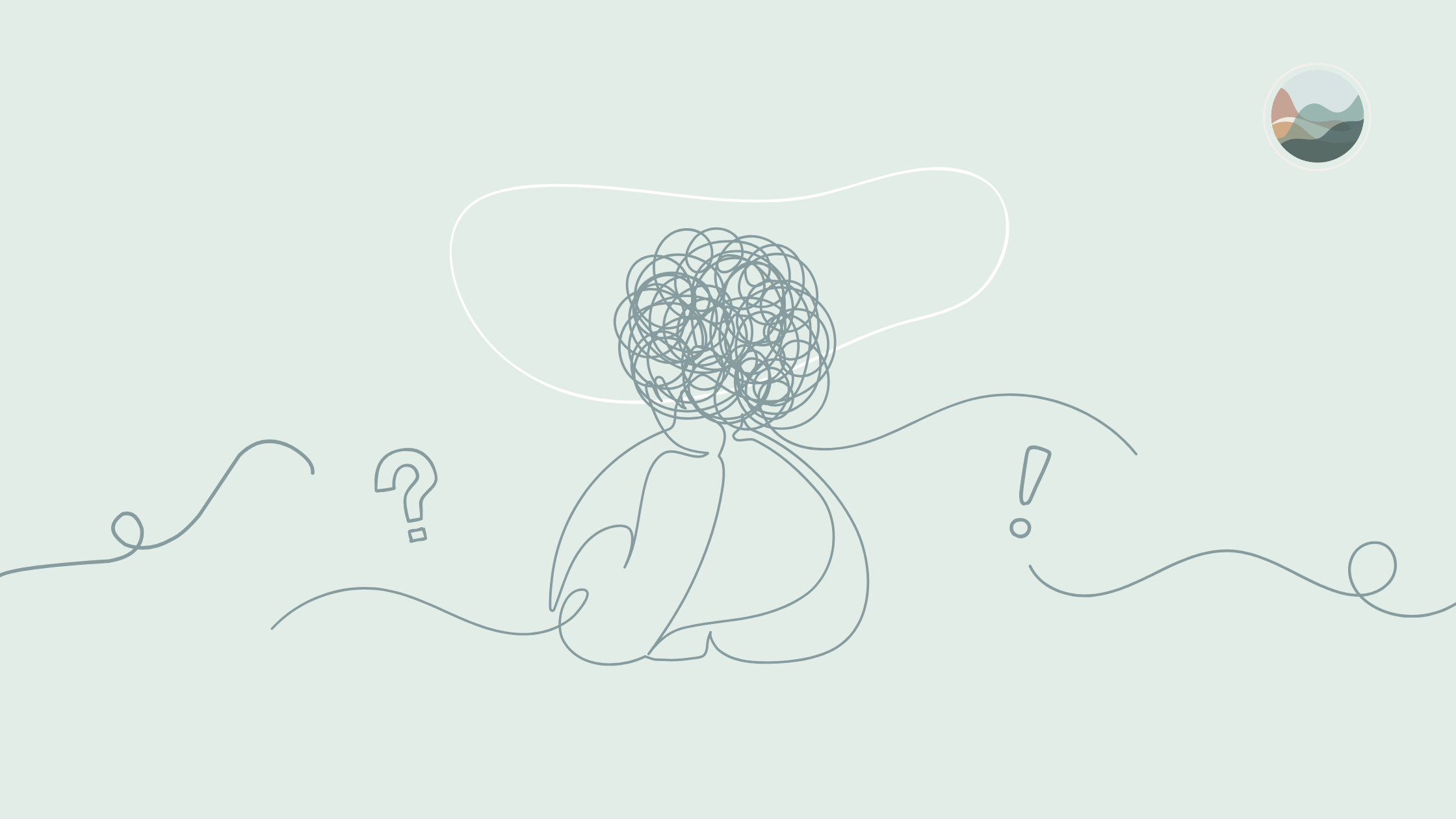
There is a version of anxiety that often gets missed because it looks so functional from the outside.
You meet deadlines. You show up prepared. You answer emails quickly. You are dependable, thoughtful, and often the person other people rely on.
And still, your body is telling a different story.
Your jaw is tight. Your shoulders stay tense. You replay conversations on your commute home. You wake up tired, even after sleeping. You feel irritable over small things. You have trouble relaxing, even when nothing is technically wrong.
What people often call “high functioning anxiety” is not a formal mental health diagnosis, but it is a very real experience for many people: anxiety that hides beneath competence, productivity, and over-responsibility. Anxiety disorders are generally defined by persistent fear or worry that can show up both mentally and physically, including irritability, restlessness, trouble concentrating, muscle tension, fatigue, and sleep problems.
This article is a guide to understanding what high functioning anxiety can look like, how it often shows up in the body, what small interventions can help in the moment, and when it may be time to seek support.
When anxiety wears a competent mask
One reason high functioning anxiety can go unrecognized is that it is often rewarded.
The person with high functioning anxiety may look organized, driven, conscientious, and “on top of things.” They may be praised for their work ethic, responsiveness, and attention to detail. Other people may see someone who is thriving.
What they do not always see is the internal cost.
That cost can look like over-preparing because you are afraid of missing something. It can look like difficulty delegating because being in control feels safer. It can sound like rumination after a meeting, even if the meeting went well. It can feel like being unable to rest without guilt, or unable to enjoy downtime because your mind is already scanning for the next thing.
From the outside, it looks like ambition.
From the inside, it often feels like vigilance.
Common signs it may be more than “just being responsible”
High functioning anxiety is often easy to rationalize because the behaviors can sound productive.
You tell yourself you are just thorough. Just proactive. Just motivated. Just someone who cares.
Sometimes that is true.
But sometimes the behavior is being driven less by intention and more by fear.
Here are a few common ways it can show up:
over-preparing for ordinary tasks
replaying conversations and worrying about how you came across
struggling to relax unless everything is done
feeling responsible for preventing problems before they happen
irritability that surprises you
saying yes too quickly because disappointing people feels uncomfortable
difficulty delegating or trusting others to handle things
needing control in order to feel calm
appearing capable while privately feeling keyed up or exhausted
Anxiety can involve worried thoughts as well as physical symptoms such as tension, fatigue, concentration problems, sleep disruption, and irritability.
A useful question to ask is: If I did not do this perfectly, what am I afraid would happen?
That question often reveals whether the behavior is grounded in preference or in anxiety.
Your body usually knows before your mind admits it
One of the most important things to understand about anxiety is that it is not only cognitive. It is physiological.
Many people with high functioning anxiety are so used to operating at a high level that they stop noticing the body cues that signal strain. Their anxiety does not always feel dramatic. It feels familiar.
It can show up as:
shallow breathing
clenching your jaw
neck or shoulder tension
headaches
stomach discomfort
trouble falling asleep even when you are exhausted
waking up already braced for the day
feeling “tired but wired”
being unable to fully settle, even during downtime
Stress and anxiety commonly affect the body through muscle tension, sleep disruption, headaches, stomach issues, restlessness, and fatigue.
If you seem fine but your body rarely feels at ease, that matters.
Your body is not overreacting. It is communicating.
Why high functioning anxiety is so easy to miss
Part of the challenge is that high functioning anxiety does not always interrupt performance right away. In fact, it can temporarily enhance it.
Anxiety can make people hyper-attuned, hyper-prepared, and highly conscientious. It can create a short-term sense of control through planning, checking, rehearsing, and staying ahead.
But over time, the same system that helps you perform can start to wear you down.
You may become more irritable. More mentally fatigued. Less flexible. Less present. You may have a harder time resting, connecting, or turning your brain off. The external functioning remains intact, but the internal cost keeps rising.
That is often the point where people say some version of: “I’m handling everything, but I don’t actually feel okay.”
Micro-interventions that can help in the moment
If you have high functioning anxiety, the goal is not to become a different person overnight. The goal is to interrupt the cycle earlier and more often.
Small interventions matter because they help your nervous system experience moments of safety and downshift.
Here are a few practical starting points:
1. Name what is happening
Instead of saying, “I just need to get it together,” try:
“I’m activated right now.”
That language is more accurate and less shaming. It helps shift you from self-criticism to awareness.
2. Loosen one point of tension
Pick one place in the body and release it deliberately. Unclench your jaw. Drop your shoulders. Uncross your hands. Relax your tongue from the roof of your mouth.
The goal is not total calm. The goal is to send your body one signal that it does not need to stay fully braced.
3. Exhale longer than you inhale
When anxiety is high, many people breathe quickly and shallowly without noticing. Slowing your exhale can help cue the body to settle.
Try inhaling for four and exhaling for six, several times in a row.
4. Shrink the time horizon
Anxious minds like to project outward. Pull yourself back to the next ten minutes.
Ask:
What is the next right thing, not the entire thing?
5. Replace reassurance-seeking with reality-checking
Instead of asking, “What if this goes badly?” ask:
What are the actual facts I have right now?
What am I assuming?
What outcome am I treating as certain that is not actually certain?
6. Practice a “good enough” rep
Choose one low-stakes task and complete it without over-editing, over-checking, or over-preparing. This is how you begin teaching your brain that perfect is not the only safe option.
7. Build transitions into your day
Many people with high functioning anxiety move from one demand to the next with no psychological transition.
Take two minutes between tasks. Stand up. Stretch. Step outside. Drink water without multitasking. Small transitions reduce the sense of constant internal acceleration.
Patterns to watch if this is becoming chronic
High functioning anxiety becomes more concerning when it stops being occasional and starts becoming your default operating mode.
Pay attention if you notice:
your body rarely feels relaxed
you are increasingly dependent on control, routine, or reassurance to feel okay
your sleep is suffering
your irritability is affecting relationships
you cannot enjoy rest without feeling guilty or restless
your worry feels difficult to turn off
your coping is becoming more avoidant, rigid, or exhausting
When anxiety persists, becomes difficult to control, or begins to interfere with work, relationships, sleep, or everyday functioning, it may signal an anxiety disorder rather than everyday stress alone.
When to seek support
A lot of high functioning people delay getting help because they assume they are “not struggling enough.”
They are still working. Still parenting. Still producing. Still showing up.
But functioning is not the only measure that matters.
Distress matters too.
If your anxiety is persistent, physically draining, difficult to manage, or starting to interfere with sleep, concentration, mood, or relationships, it is worth paying attention. NIMH advises seeking professional help when symptoms are severe or distressing and last two weeks or more, including difficulty sleeping, irritability, trouble concentrating, or difficulty carrying out usual tasks. It is also time to seek help when anxiety starts creating problems in everyday life.
Support does not have to wait until you are in crisis.
In many cases, therapy is most helpful before things fully unravel. It can help you understand the beliefs and patterns underneath the anxiety, develop more flexible coping tools, and learn how to relate to your body’s signals with more skill and less fear.
A final word
High functioning anxiety can be confusing because it often coexists with capability.
You may be the person everyone depends on. The person who anticipates needs. The person who gets it done.
But if your body is constantly tense, your mind is constantly scanning, and your rest never really feels restful, that is worth taking seriously.
Looking fine is not the same as feeling okay.
You do not have to wait until your anxiety becomes obvious to deserve support. You do not have to earn help by falling apart first.
Sometimes the work begins by noticing that what looks like competence on the outside has been costing too much on the inside.
