
Emotionally Exhausted but Still Performing: The Hidden Burnout of Holding It All Together
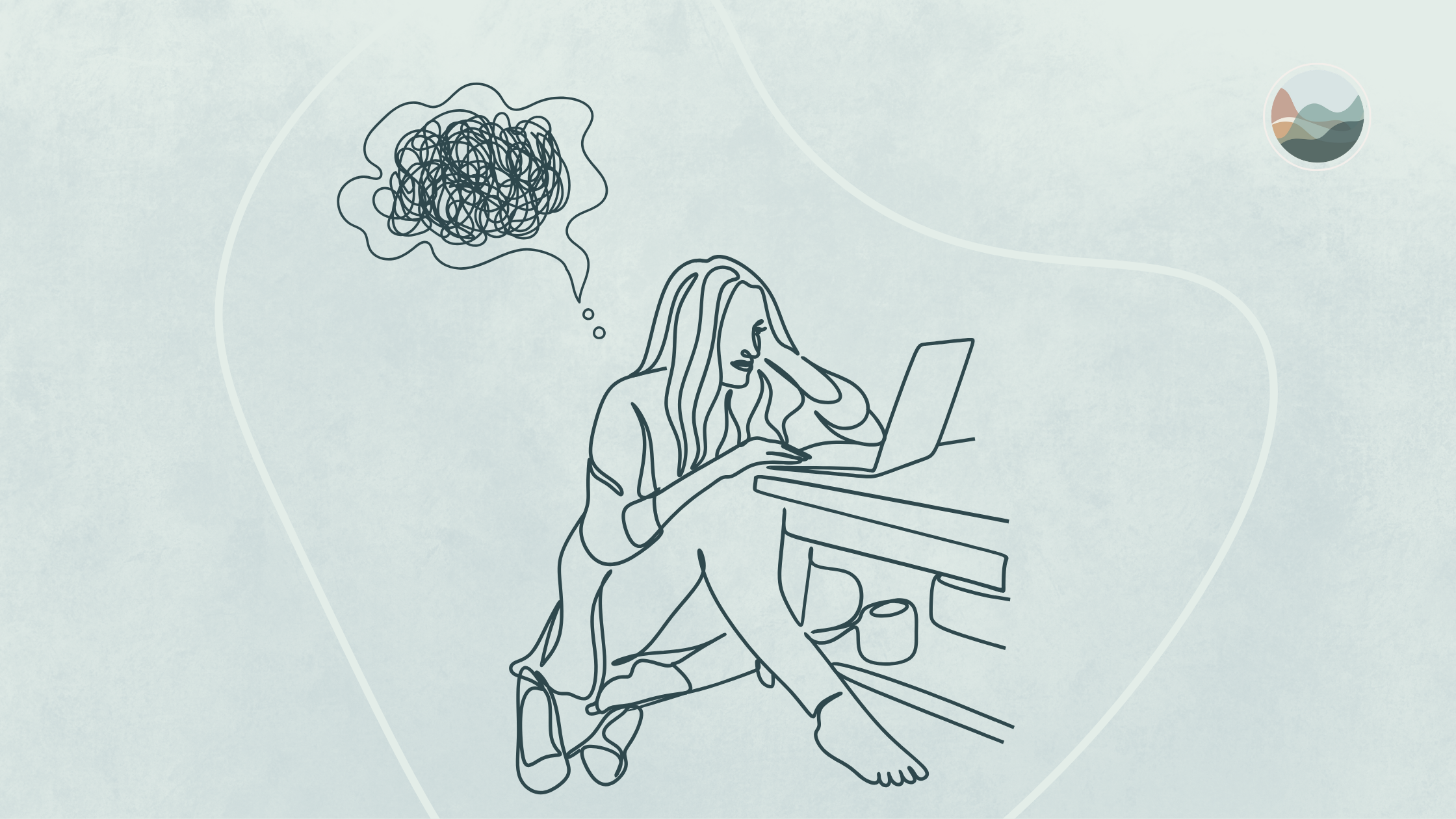
There is a kind of burnout that does not always look like burnout from the outside.
You are still answering emails. Still meeting deadlines. Still showing up for your family, your work, your relationships, and your responsibilities. You may even look calm, capable, organized, and dependable.
But internally, you feel depleted.
You are tired in a way sleep does not fully fix. Small requests feel heavier than they should. You may feel irritable, detached, resentful, numb, or like you are one minor inconvenience away from completely shutting down.
This is one of the reasons burnout can be so easy to miss. Sometimes it does not show up as a dramatic collapse. Sometimes it looks like continuing to function while quietly running on empty.
This article is a guide to understanding masked burnout, how emotional labor builds over time, why functioning is not the same as coping, and what recovery can look like before you reach a full crash.
When burnout hides behind competence
Burnout is often associated with being visibly overwhelmed: missing deadlines, falling behind, withdrawing, or no longer being able to keep up.
But for many people, burnout looks much more subtle.
It can look like being the person who always finds a way to get things done. The person who remembers the details. The person who manages other people’s emotions. The person who holds the family system, the workplace system, the relationship, or the friendship group together.
From the outside, this can look like strength.
From the inside, it can feel like pressure.
You may be praised for being responsible, reliable, thoughtful, and capable. But if those traits are paired with chronic overextension, poor boundaries, and very little room to be cared for yourself, they can become part of the burnout cycle.
At some point, the issue is not that you cannot perform.
The issue is that performing is costing you more than people can see.
Functioning is not the same as coping
One of the most important distinctions to understand is that functioning and coping are not the same thing.
Functioning means you are still getting through the day. You are still completing tasks, meeting expectations, and appearing “fine” enough that other people may not realize anything is wrong.
Coping means you have enough internal and external support to process stress, recover from demands, and return to yourself.
You can be functioning and not coping.
You can be productive and depleted.
You can be responsive to everyone else and completely disconnected from what you need.
This is why people often delay getting support. They assume that because nothing has fully fallen apart, they must be okay. But burnout does not only matter when it becomes visible to everyone else.
Your internal experience matters too.
Signs you may be emotionally exhausted
Emotional exhaustion can build quietly. It may not feel like one major event. It may feel like the slow accumulation of too many demands with too little recovery.
Some signs include:
feeling tired even after rest
becoming irritated by small requests
feeling emotionally numb or detached
struggling to feel excited about things you used to enjoy
feeling resentful when people need something from you
avoiding messages, calls, or decisions
needing more time alone but not feeling restored by it
feeling like you are always “on”
having trouble being present because your mind is already on the next task
feeling guilty when you rest
feeling like nobody understands how much you are carrying
Not every bad day is burnout. But if these patterns are becoming your normal state, it is worth paying attention.
How emotional labor builds quietly
Emotional labor is not only about what you do. It is also about what you track, anticipate, absorb, and manage.
It can include noticing everyone else’s mood, remembering what needs to happen next, smoothing over tension, preparing for problems before they happen, and keeping things moving so other people do not have to think about them.
This kind of labor can happen at work, in relationships, in families, and in caregiving roles.
You may be the person who notices when someone is upset. The person who follows up. The person who remembers the appointment, the deadline, the birthday, the grocery list, the emotional temperature of the room.
Over time, this can become exhausting because your mind is rarely off duty.
Even when you are technically resting, part of you may still be scanning, planning, preparing, and anticipating.
That is not true rest.
That is maintenance mode.
Why high-functioning people miss their own burnout
People who are used to being capable often have a hard time recognizing when they are depleted.
They may tell themselves:
“I just need to get through this week.”
“Other people have it worse.”
“I should be able to handle this.”
“It is not that bad.”
“I am still doing everything, so I must be fine.”
The problem is that burnout often becomes more serious when people keep overriding their own signals.
Fatigue becomes normal. Irritability becomes normal. Disconnection becomes normal. Restlessness becomes normal. Feeling like you have no emotional room left becomes normal.
When depletion becomes familiar, people may stop recognizing it as a sign that something needs to change.
The cost of holding it all together
Holding everything together can feel necessary, especially if people depend on you.
But there is a cost when you are always the one carrying the emotional and logistical weight.
You may start to feel less patient. Less creative. Less connected. Less generous. You may find yourself withdrawing, snapping, procrastinating, or feeling resentful toward people you genuinely care about.
This does not mean you are selfish or failing.
It may mean you are overextended.
A lot of people feel ashamed when they notice resentment or emotional distance. But those feelings can be important signals. They may be pointing to places where you have been giving more than you have been able to recover from.
Resentment often grows where needs have been ignored for too long.
What recovery looks like before a full crash
Recovery does not always mean quitting everything, disappearing, or making a dramatic life change.
Sometimes recovery begins with smaller, more honest adjustments.
It may look like admitting that your current pace is not sustainable. It may look like asking for help before you are desperate. It may look like lowering the standard on something that does not actually need to be perfect.
It may look like taking your own needs seriously before your body forces you to.
Here are a few places to start:
1. Name the exhaustion honestly
Instead of saying, “I’m just tired,” try being more specific.
You might say:
“I feel emotionally overloaded.”
“I am functioning, but I do not feel okay.”
“I am carrying too much right now.”
“I need recovery, not just more discipline.”
Naming what is happening can help you stop treating burnout like a character flaw.
2. Identify what you are carrying
Ask yourself:
What am I responsible for right now?
What am I treating as my responsibility that may not actually belong to me?
What am I doing because I am afraid of disappointing someone?
What would happen if I did not automatically step in?
These questions can help separate true responsibility from over-functioning.
3. Look for the invisible labor
Sometimes the most exhausting work is the work nobody sees.
Make a list of the things you are tracking mentally. Not just tasks, but emotional and relational responsibilities too.
For example:
remembering who needs follow-up
anticipating conflict
managing someone else’s mood
preparing for other people’s reactions
keeping everyone else organized
preventing things from falling apart
Seeing the full list can help you understand why you feel so tired.
4. Build recovery into the day, not only the weekend
Many people wait until the weekend, vacation, or a breaking point to rest.
But if stress is daily, recovery needs to be more consistent too.
This does not have to be complicated. It may mean taking five minutes between meetings, eating without multitasking, stepping outside, stretching your body, or having a short transition between work and home.
Small moments of recovery matter because they interrupt the pattern of constant output.
5. Practice letting something be “good enough”
Burnout often gets worse when every task becomes high-stakes.
Choose one low-risk area where you can practice doing something adequately instead of perfectly.
Send the email without rewriting it five times. Let the house be imperfect. Ask one person to handle something without checking every detail. Take one thing off the list instead of pushing it later.
The goal is not to stop caring.
The goal is to stop making your nervous system treat every task like an emergency.
6. Ask for support before you are at the edge
Many people wait until they are completely overwhelmed before asking for help.
Try asking earlier.
That might sound like:
“I need help thinking through this.”
“I cannot take this on this week.”
“I need you to own this piece.”
“I am at capacity and need to shift something.”
Support is not only for crisis. It is also part of prevention.
When burnout becomes a pattern
Burnout becomes more concerning when it stops feeling temporary and starts feeling like your default state.
Pay attention if:
you rarely feel restored
you dread things you used to handle easily
your irritability is affecting relationships
you feel numb, detached, or checked out
you cannot rest without guilt
your sleep, appetite, or concentration are affected
you feel like you are constantly bracing for the next demand
you are fantasizing about escaping your life, work, or responsibilities
These signs do not mean something is wrong with you.
They may mean your system has been under too much pressure for too long.
When to seek support
A lot of people delay therapy because they are still functioning.
They are still working. Still parenting. Still answering messages. Still showing up.
But you do not have to be falling apart to deserve support.
Therapy can help you understand the patterns underneath burnout: over-responsibility, perfectionism, people-pleasing, difficulty setting limits, unresolved stress, or the belief that your worth is tied to how much you can carry.
It can also help you build more sustainable ways of coping, communicating, resting, and asking for what you need.
If you are emotionally exhausted but still performing, support can help you intervene before the crash.
A final word
Burnout does not always announce itself loudly.
Sometimes it looks like competence. Sometimes it looks like being dependable. Sometimes it looks like doing everything everyone expects from you while feeling increasingly disconnected from yourself.
If you are holding it all together but privately feeling depleted, that matters.
You do not have to wait until things fall apart to take your exhaustion seriously.
Functioning is not the only measure of wellness.
You deserve a life that does not only look manageable from the outside, but actually feels sustainable on the inside.
