
When Everything Feels Urgent: How Anxiety Distorts Priorities
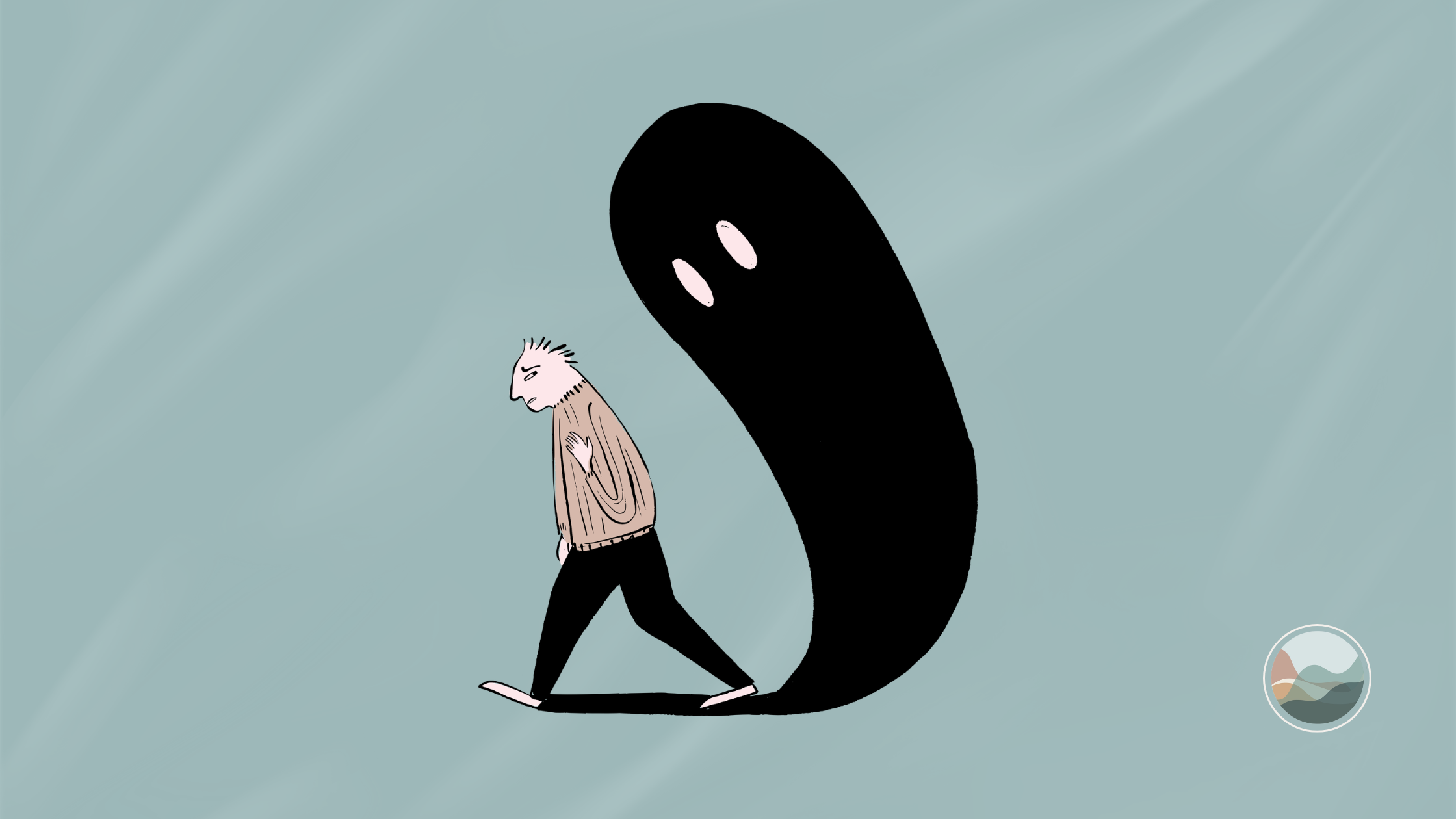
There is a kind of anxiety that makes everything feel like it needs to be handled right now.
The email needs an immediate response.
The text message feels loaded.
The appointment you need to schedule becomes another thing you are failing to do.
The small mistake feels like it could turn into a bigger problem.
The decision you have been putting off suddenly feels impossible to ignore.
From the outside, you may look responsible, organized, and on top of things. You may be the person who responds quickly, notices details, anticipates problems, and keeps life moving.
But internally, you may feel like you are constantly racing.
Your mind is jumping from one task to the next. Your body feels tense. You cannot tell what actually matters most because everything feels equally pressing. Even when nothing is technically happening, you may feel like you are behind, exposed, or one wrong move away from something falling apart.
This is one of the ways anxiety can quietly distort priorities. It does not always create a clear panic attack or a single obvious fear. Sometimes it creates a constant sense of urgency that makes it difficult to slow down, think clearly, and decide what actually needs your attention.
This article is a guide to understanding how anxiety inflates urgency, why living in reaction mode is so exhausting, how to separate true priorities from perceived emergencies, and what it can look like to make decisions with more clarity.
When anxiety makes everything feel important
Anxiety is designed to scan for threat. In the right context, that can be useful. It helps you notice risk, prepare for challenges, and respond when something genuinely needs your attention.
But when anxiety is running too high for too long, it can start treating ordinary demands like emergencies.
A work email may feel like a crisis.
A delayed response may feel like rejection.
A small change in plans may feel like instability.
A task on your list may feel urgent simply because it is unfinished.
This is not because you are weak, dramatic, or bad at handling life. It is because anxiety can make your nervous system respond to uncertainty as if it is danger.
When that happens, your brain may begin to prioritize relief over accuracy. Instead of asking, “What matters most?” you may find yourself asking, “What can I do right now to stop feeling this uncomfortable?”
That is how everything starts to feel urgent.
The difference between real urgency and anxious urgency
Some things are truly urgent.
A medical emergency is urgent.
A safety issue is urgent.
A deadline that affects other people may be urgent.
A time-sensitive decision with real consequences may need quick action.
But anxious urgency often feels urgent without actually being urgent.
It may sound like:
“I have to respond right now.”
“I need to fix this before it gets worse.”
“I cannot relax until everything is handled.”
“If I do not do this perfectly, something bad will happen.”
“I should already know what to do.”
“I am running out of time.”
The feeling can be intense, but intensity is not always the same as importance.
This is one of the hardest parts of anxiety. It can make a perceived emergency feel just as loud as a real one.
When you are anxious, your body may be telling you, “Act now.” But the actual situation may be asking for something different: a pause, a boundary, more information, or a more thoughtful decision.
How anxiety distorts priorities
Anxiety can make it harder to organize your thoughts because it pulls your attention toward what feels unresolved, uncertain, or emotionally charged.
That means your priorities may start being shaped by discomfort rather than importance.
You may prioritize the task that makes you feel most anxious, even if it is not the most meaningful one. You may respond to the loudest person, not the most important need. You may focus on the smallest detail because it feels controllable while avoiding the bigger decision because it feels overwhelming.
Over time, anxiety can create a pattern where:
everything feels time-sensitive
small tasks feel heavier than they should
decisions feel high-stakes
rest feels irresponsible
boundaries feel risky
uncertainty feels unbearable
your day becomes organized around putting out emotional fires
This can leave you constantly busy but not necessarily effective.
You may get a lot done and still feel like you are not making progress. You may complete tasks but feel no relief. You may spend the day reacting to whatever feels most urgent and still end the day wondering why the most important things never got your attention.
The cost of living in reaction mode
Reaction mode can feel productive because you are always doing something.
You are answering, fixing, checking, planning, refreshing, following up, adjusting, and preparing for what might happen next.
But reaction mode is exhausting because it keeps your nervous system activated. You are not choosing your next step from a grounded place. You are trying to outrun discomfort.
When this becomes your normal rhythm, you may start to notice:
difficulty concentrating
irritability over small interruptions
trouble making decisions
procrastination on bigger tasks
checking messages more than you need to
feeling guilty when you rest
overexplaining or overpreparing
needing constant reassurance
feeling behind even when you are doing a lot
losing track of what actually matters to you
The problem is not that you are lazy or incapable.
The problem is that your mind is treating too many things like they belong at the top of the list.
Perfectionism can make urgency worse
Perfectionism and anxiety often reinforce each other.
Anxiety says, “This needs to be handled now.”
Perfectionism says, “And it needs to be handled perfectly.”
Together, they can make even simple tasks feel loaded.
Sending an email becomes something you rewrite ten times. Making a decision becomes something you research until you are more confused than when you started. Starting a project becomes difficult because you are already imagining everything that could go wrong.
Perfectionism can make you believe that if you think hard enough, plan carefully enough, or control enough details, you can prevent discomfort, criticism, failure, or regret.
But often, perfectionism does not create clarity.
It creates paralysis.
It can keep you stuck between urgency and avoidance: feeling like something has to be done immediately, while also feeling too overwhelmed to do it.
How to sort true priorities from perceived emergencies
When everything feels urgent, the goal is not to ignore your anxiety or force yourself to calm down immediately.
The goal is to create enough space to ask better questions.
Here are a few places to start:
1. Ask what actually happens if this waits
Anxiety often speaks in vague consequences. It says, “This will be bad,” but it may not clearly define what “bad” means.
Try asking:
What happens if I respond in one hour?
What happens if I do this tomorrow?
What happens if I do not solve this perfectly today?
Who is actually affected if this waits?
Is there a real deadline, or am I creating one because I feel uncomfortable?
Sometimes the answer will show you that something does need timely attention. Other times, it may reveal that your anxiety is making the task feel more urgent than it is.
2. Separate importance from emotional intensity
A task can feel intense without being important.
A message from someone you are worried about disappointing may feel urgent. A small mistake may feel urgent. A decision with no perfect answer may feel urgent.
But emotional intensity does not automatically mean something deserves immediate action.
Try sorting tasks into categories:
What is truly time-sensitive?
What is important but not urgent?
What feels urgent because I am anxious?
What can wait?
What can be delegated, simplified, or removed?
This can help you make decisions based on reality instead of adrenaline.
3. Look for the fear underneath the urgency
Sometimes urgency is a cover for fear.
You may feel like you need to answer right away because you are afraid someone will be upset. You may feel like you need to overprepare because you are afraid of being judged. You may feel like you need to solve everything immediately because uncertainty feels unbearable.
Ask yourself:
What am I afraid will happen if I do not act right now?
Am I trying to solve a real problem or prevent a feeling?
Am I responding from clarity or from fear?
Is this action helping me, or is it just giving me temporary relief?
Anxiety often pushes for immediate action because action can create short-term relief. But not every action leads to a better outcome.
4. Choose the next right step, not the perfect plan
When anxiety is high, your mind may try to solve the entire future at once.
That can make everything feel bigger than it is.
Instead of asking, “How do I fix all of this?” try asking, “What is the next reasonable step?”
That might be:
replying to one message
writing down the actual deadline
asking for clarification
setting a timer for ten minutes
choosing one task to complete
moving one decision to tomorrow
taking a break before responding
The next right step is usually smaller than anxiety wants it to be.
That is part of why it works.
5. Practice pausing before reacting
A pause does not have to be long to be useful.
Even thirty seconds can help you move from reaction to choice.
Before you respond, decide, or jump into action, try asking:
Do I need to act now?
Do I have enough information?
Am I trying to reduce anxiety or solve a problem?
Would I make the same decision if I felt calmer?
What would I advise someone else to do here?
The point is not to delay everything. The point is to stop letting anxiety automatically decide what happens next.
6. Build a calmer decision-making system
When you are anxious, it is harder to rely on your thoughts alone. That is why systems can help.
You might create a short priority check-in at the beginning of the day:
What are the top three things that matter today?
What can wait?
What am I not available to worry about right now?
What would make today feel manageable, not perfect?
You might also decide on rules for common anxiety triggers:
I do not need to answer non-urgent emails immediately.
I can wait before responding when I feel activated.
I can ask for more information before assuming the worst.
I can let some tasks be good enough.
I can make a decision without eliminating every possible risk.
A system gives you something to return to when anxiety tries to make everything feel equally urgent.
When anxiety becomes your default setting
It is worth paying attention if urgency has become the way you move through most days.
You may be living in a chronic anxiety pattern if:
you rarely feel caught up
you have trouble resting without guilt
you feel tense even when nothing is happening
your mind jumps from one concern to another
you struggle to tell what actually matters most
you overthink small decisions
you feel responsible for preventing every possible problem
your body feels like it is always bracing
you are productive but rarely peaceful
These patterns do not mean something is wrong with you.
They may mean your nervous system has been operating under too much pressure for too long.
When to seek support
A lot of people wait to get support until anxiety has become overwhelming.
But therapy does not have to be reserved for crisis. It can help you understand the patterns underneath the urgency: perfectionism, fear of disappointing others, difficulty tolerating uncertainty, over-responsibility, people-pleasing, past experiences that made safety feel conditional, or the belief that rest has to be earned.
Therapy can also help you practice slowing down, setting boundaries, making decisions with more clarity, and responding to stress without letting anxiety run the entire day.
If everything feels urgent all the time, support can help you learn how to tell the difference between what is truly important and what anxiety has made feel impossible to ignore.
A final word
Anxiety can make life feel like one long list of emergencies.
But not everything that feels urgent is urgent. Not every unfinished task is a crisis. Not every uncomfortable feeling needs an immediate solution.
You are allowed to pause.
You are allowed to sort.
You are allowed to respond with thought instead of panic.
You are allowed to decide that some things can wait.
Clarity does not always come from doing more.
Sometimes it comes from slowing down enough to ask: what actually matters right now?
You deserve a life that is not organized only around urgency. You deserve enough space to think, choose, recover, and move through your responsibilities without feeling like everything is on fire.
