
Decision Fatigue and Mental Load: Why Everything Feels Harder Than It Should
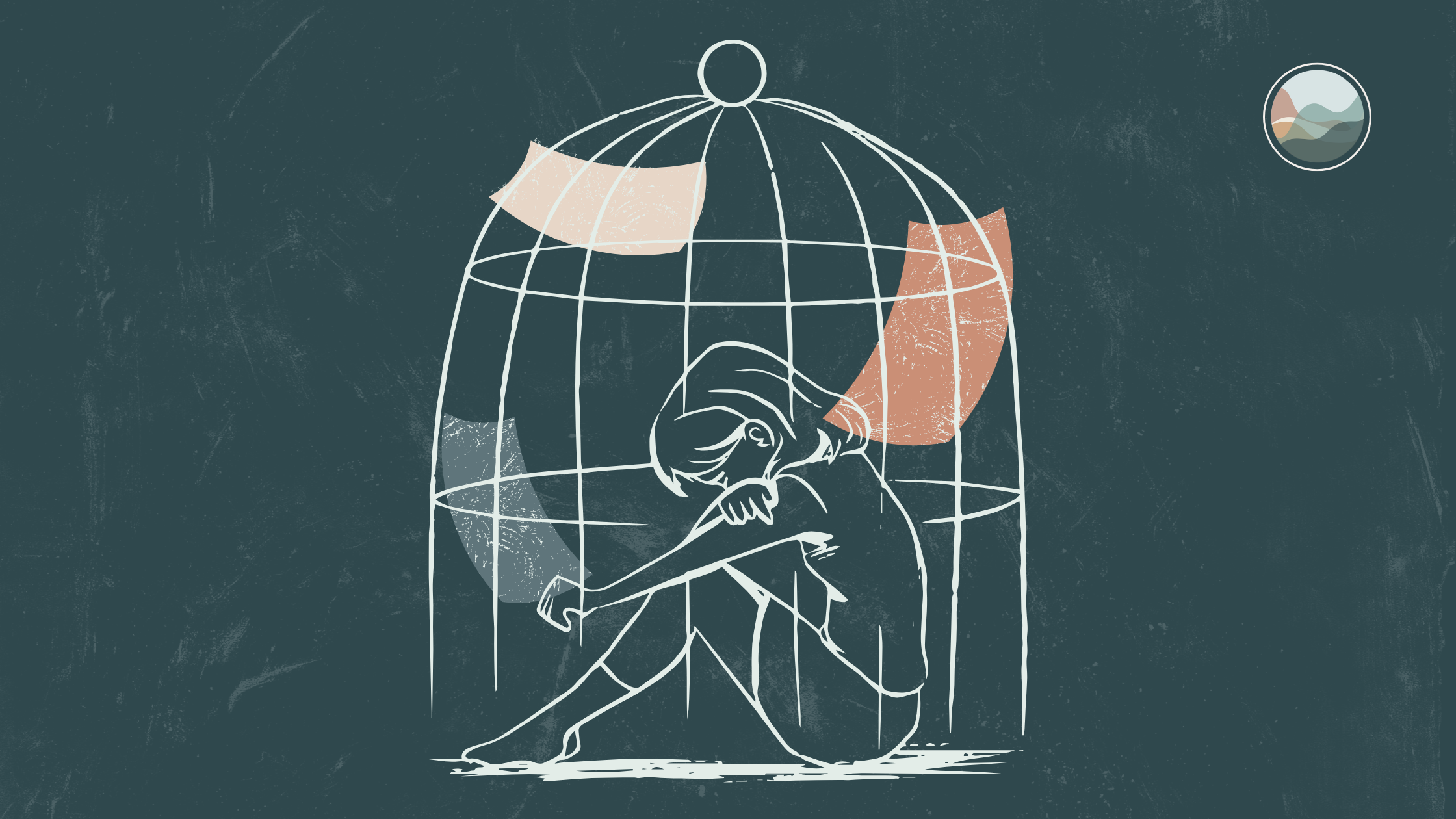
There are seasons of life when nothing is technically wrong, and yet everything feels harder than it should.
You answer texts and feel drained. You make one more plan and want to cancel it immediately. Someone asks a simple question like “What do you want for dinner?” and your whole body reacts like it has been asked to solve a legal brief.
A lot of people assume this means they are lazy, unmotivated, irritable, or bad at coping.
More often, it means they are overloaded.
Decision fatigue and mental load do not always announce themselves dramatically. Sometimes they show up as indecision, resentment, procrastination, numbness, forgetfulness, or snapping at people you actually care about. Sometimes they look like anxiety. Sometimes they look like burnout. Sometimes they look like relationship conflict that is not really about the dishes, the text message, or the calendar invite.
The deeper issue is often this: your mind has been carrying too much for too long, and even small choices now feel expensive.
When that happens, everyday life starts to require more energy than it should. Not because you are incapable, but because your internal bandwidth is already overcommitted.
What mental load actually is
Mental load is not just having a lot to do. It is having to hold, track, anticipate, remember, organize, initiate, and emotionally manage all the things that keep life moving.
It is the invisible labor behind the visible task.
It can sound like:
“I am the one who always has to remember.”
“I cannot relax because I am mentally keeping track of ten things at once.”
“Even when I sit down, my brain is still working.”
“I am not just doing the task. I am managing the system around the task.”
“I am exhausted, but I cannot point to one thing that explains why.”
For high-achieving people, parents, caregivers, and anyone used to being the reliable one, mental load can become so normalized that they stop recognizing it as strain. They just assume this is what adulthood feels like.
But when your brain is constantly triaging, prioritizing, and scanning for what is next, it becomes harder to access patience, creativity, flexibility, and rest. Your nervous system starts to treat ordinary decisions like one more burden rather than one more manageable part of the day.
That is often when everything starts to feel disproportionately hard.
Signs you may be more depleted than you realize
A lot of people do not notice depletion until it turns into irritability, shutdown, or conflict.
It may look like:
feeling disproportionately annoyed by small questions or minor inconveniences
struggling to make simple decisions
putting off low-stakes tasks because your brain cannot tolerate one more choice
feeling resentful that other people do not seem to notice what you are carrying
becoming more controlling because delegation feels harder than doing it yourself
losing words, forgetting details, or rereading the same email three times
feeling “on” all day and then crashing at night
picking fights or withdrawing because you no longer have capacity for one more demand
This is one reason mental load affects relationships so strongly. When someone is overloaded, they often have less access to warmth, perspective, and generosity. They are more likely to hear a neutral question as pressure. More likely to experience help as insufficient. More likely to feel alone, even when they are not technically unsupported.
The issue is not that they care too much. It is that their system has stopped getting enough recovery to support how much they are carrying.
1. Stop treating every decision like it deserves equal energy
One of the fastest ways to burn through your bandwidth is to give too many decisions the same level of attention.
Not every choice deserves deep consideration.
When people are depleted, they often keep trying to “optimize” everything. The best plan. The best response. The best option. The best wording. The best use of time. But perfectionism becomes especially expensive when your mind is already full.
A more sustainable question is: What actually needs my full brain here, and what can be good enough?
This can look like:
eating the same breakfast during busy weeks
choosing from a short list of default meals
creating a standard order for errands
using repeat outfits or simplified routines
limiting options when you are already tired
making decisions earlier in the day when possible
Simplification is not giving up. It is protecting your capacity for the decisions that genuinely matter.
2. Reduce the number of things your brain has to keep “open”
Mental load grows when too many things live in your head without a clear next step.
Unfinished tasks, vague reminders, half-made decisions, and unspoken expectations all create cognitive drag. Your mind keeps revisiting them because it does not trust that they have been contained.
A lot of relief comes not from finishing everything, but from reducing the number of open loops.
That may mean:
writing things down instead of rehearsing them mentally
assigning one next step to a task instead of carrying the whole project at once
setting calendar reminders instead of relying on memory
using a shared note for household or parenting logistics
moving ideas out of your head and into a system you trust
When your brain no longer has to function as the primary storage unit for your life, it gets some of its energy back.
That matters more than most people realize.
3. Delegate earlier, and more clearly
A lot of people say they want help, but what they really want is for someone else to notice everything, anticipate everything, and execute it correctly without needing guidance.
That makes sense emotionally. Especially if you are tired. Especially if you are used to carrying the burden. Especially if asking for help feels like one more task.
But vague delegation often creates more resentment, not less.
Clear delegation sounds more like:
“Can you handle dinner on Tuesdays and Thursdays without checking in with me unless there is a real issue?”
“I need you to fully own the camp registration, not just help me remember it.”
“Can you take this from start to finish, including following up?”
“I do not need you to assist me with this. I need you to remove it from my plate.”
This is where many couples and families get stuck. One person is overloaded, but the help they receive still leaves them in the manager role. They are still tracking, assigning, reminding, and overseeing. That is not full relief. That is partial redistribution with continued mental responsibility.
If you want the load to actually shift, the ownership has to shift too.
4. Use scripts when your brain is too tired to be eloquent
People often wait until they feel calm, clear, and articulate before they ask for change.
Unfortunately, that moment does not always come when you are depleted.
This is where scripts help. Not because they are robotic, but because they reduce the effort required to communicate something important.
A few examples:
“I am more mentally overloaded than I look right now, and I need us to simplify.”
“I cannot make another decision tonight. Can you choose between these two options?”
“I need help with the planning part, not just the doing part.”
“I am at capacity. What can we take off my plate this week?”
“I do not need a perfect solution right now. I need fewer moving parts.”
You do not need to deliver the perfect explanation for your exhaustion in order for it to count.
Sometimes the most regulating thing you can do is say the truth in a simpler way.
5. Build recovery habits that actually restore you
A lot of people think recovery means escape. Scroll more. Numb out. Zone out. Get through the week and collapse.
But true recovery is not just the absence of work. It is the presence of something that helps your system come back online.
That may include:
having one hour of the day where nobody needs anything from you
taking a walk without multitasking
doing repetitive, low-stimulation tasks that calm your mind
getting off decision-making duty for a set period of time
protecting sleep more seriously
reducing unnecessary inputs, notifications, and conversational clutter
choosing one or two routines that make your day more predictable
Recovery also tends to work better when it is regular, not rare.
Many people wait until they are fully depleted and then expect one day off, one massage, or one free evening to undo chronic overload. Usually it does not.
What helps more is creating smaller, repeatable forms of relief that your nervous system can count on.
What this can look like in relationships
Mental load is not just a productivity issue. It is often a relationship issue.
When one person is carrying too much, they may seem controlling, distant, critical, or hard to please. But underneath that presentation is often a very simple truth: they do not feel held.
And when that goes unaddressed, couples can start arguing about tone, timing, chores, or responsiveness without naming the real issue, which is that one or both people are mentally overextended.
A useful question is not just “Who is doing more?”
It is also: “Who is tracking more? Who is anticipating more? Who is holding the invisible labor of making this whole thing function?”
That conversation can be uncomfortable, but it is often the beginning of real relief.
A final word
If everything feels harder than it should right now, it does not automatically mean something is wrong with you.
It may mean your mind is carrying too many tabs open at once.
It may mean the invisible labor has become too constant. The decisions too repetitive. The responsibility too diffuse. The recovery too inconsistent.
The solution is not to become more efficient at self-abandonment. It is to reduce what your brain is being asked to hold, communicate more clearly about what is unsustainable, and build systems that make life feel less like one long series of demands.
You do not need to earn rest by completely breaking down first.
And you do not need to wait until you are at your limit to admit that your limit is real.
If decision fatigue, mental overload, or chronic irritability are starting to affect your relationships, your functioning, or your sense of self, therapy can help you understand what is driving the exhaustion and build a life that feels more manageable from the inside out.
